
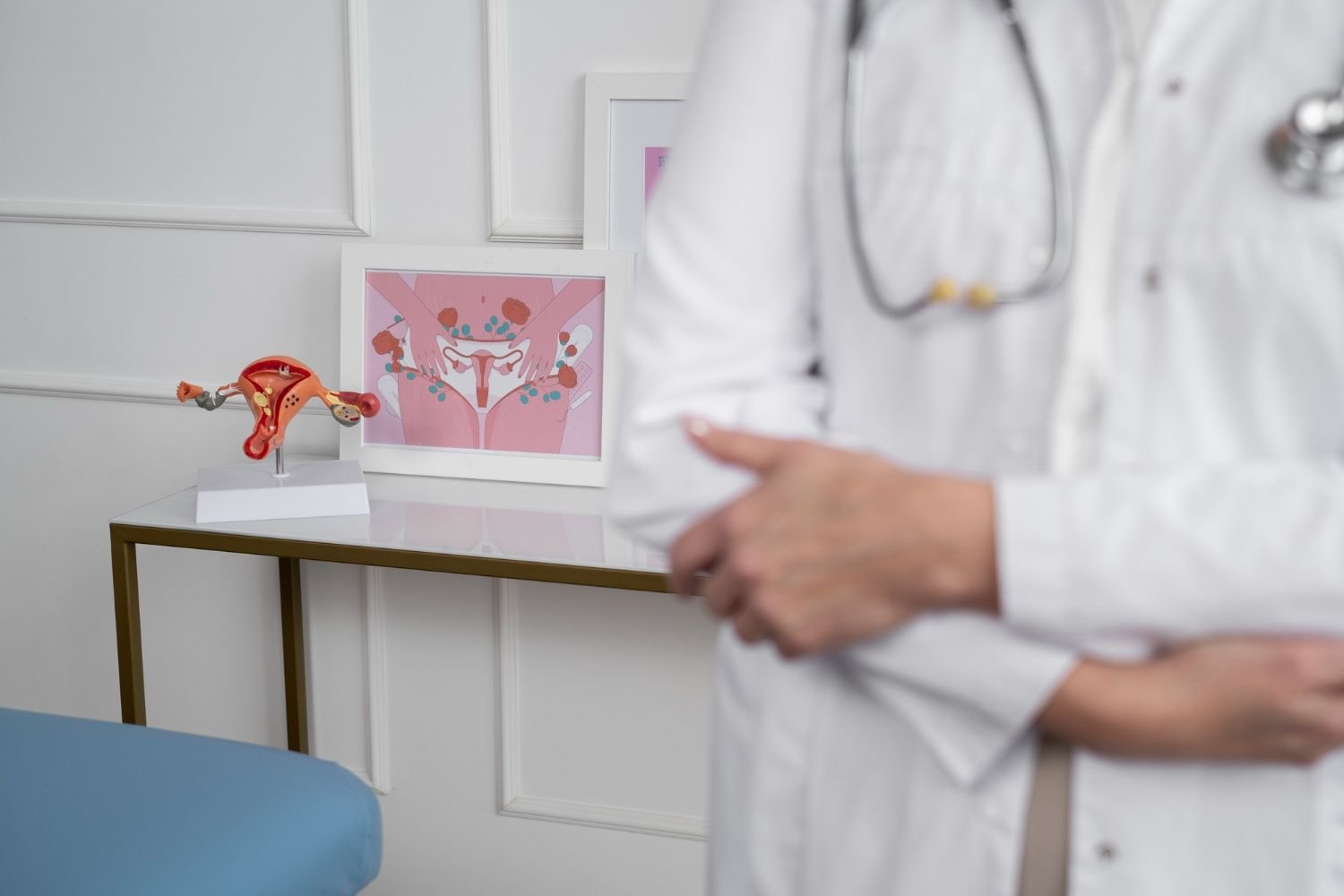
PCOS
PCOS, or Polycystic Ovary Syndrome, is a common hormonal disorder in women that can affect menstrual cycles, skin health, weight, fertility, and overall well-being. Women with PCOS may experience irregular periods, delayed periods, acne, excessive hair growth, hair fall, weight gain, difficulty in conceiving, or ovarian cyst-like changes on ultrasound. It occurs due to hormonal imbalance and insulin resistance, and if not managed properly, it may increase the risk of infertility, diabetes, obesity, and metabolic problems.
Diagnosis of PCOS involves detailed medical history, menstrual history, physical examination, hormonal blood tests, ultrasound evaluation, and assessment of lifestyle factors. Treatment depends on the patient’s symptoms and goals. For women not planning pregnancy, treatment may focus on regularizing periods, controlling acne or hair growth, and improving hormonal balance. For women trying to conceive, ovulation induction and fertility support may be advised. Lifestyle changes such as healthy diet, regular exercise, weight management, and stress control play a very important role in PCOS management.
With proper medical guidance and consistent lifestyle care, PCOS can be managed effectively. Early diagnosis helps prevent long-term complications and improves reproductive health. A personalized treatment plan can help women achieve regular cycles, better hormonal balance, improved fertility, and enhanced quality of life. Compassionate counselling and regular follow-up are important to support women in managing PCOS confidently.